Bairabi–Sairang Line: A 51 km Engineering Marvel With 153 Bridges, 45 Tunnels and India’s 2nd Tallest Pier Bridge
Bairabi–Sairang Line: A 51 km Engineering Marvel With 153 Bridges, 45 Tunnels and India’s 2nd Tallest Pier Bridge
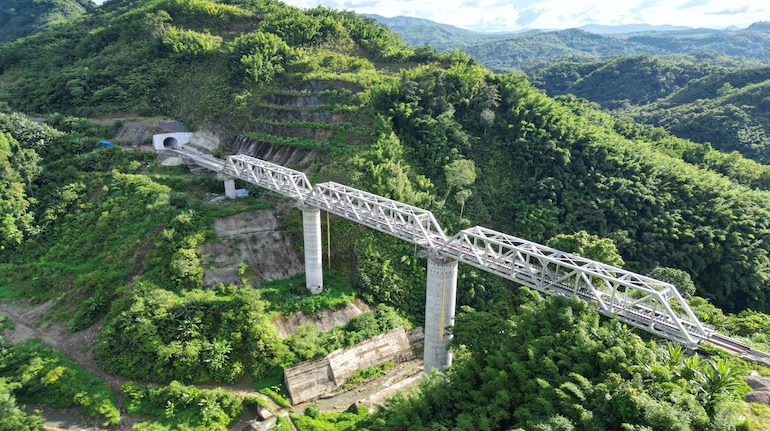
Mizoram has taken a historic step towards better connectivity with the completion of the ₹8,000 crore Bairabi–Sairang railway line. The 51.38-kilometre stretch features 45 tunnels, 153 bridges, and India’s second tallest pier bridge at 114 metres, taller than the Qutub Minar.
For the first time, Mizoram is officially on the railway map, with new stations at Hortoki, Kawnpui, Mualkhang, and Sairang. Travel from Aizawl to Silchar, which once took nearly seven hours by road, will now take just three hours by train. Passenger trains are expected to run at up to 100 kmph, cutting travel time and offering better access to healthcare, education, and business opportunities.
The line is expected to boost Mizoram’s economy by 2–3% annually, adding ₹500–700 crore to the state’s GDP. Farmers stand to gain the most, as their produce — including bamboo, oranges, ginger, pineapples, and chillies — will reach markets faster and with less spoilage. Transport costs are set to fall by up to 40%, bringing down the prices of essential goods like fuel, cement, and groceries for the state’s 1.2 million residents.

Tourism is also projected to grow by 40–50% over the next five years, creating new opportunities for homestays, handicrafts, and local businesses. The project is expected to generate thousands of jobs annually in logistics, tourism, and retail.
Beyond economics, the railway is seen as a lifeline. It improves disaster response in a region prone to landslides and floods, and helps deliver government services to remote areas. Despite challenges, including a tragic bridge collapse in 2023 that claimed 26 lives, the project was completed with measures to protect forests and local communities.
Strategically, the line strengthens India’s “Act East” policy by improving links to Myanmar’s Sittwe Port and opening routes to Southeast Asia. For Mizoram, it is more than infrastructure — it is a symbol of connection, opportunity, and inclusion.