Big Step: Maharashtra Pushes PNG As Essential Service Amid LPG Shortage Concerns
Big Step: Maharashtra Pushes PNG As Essential Service Amid LPG Shortage Concerns
State fast-tracks city gas network expansion, eases rules to ensure steady supply and reduce dependence on cylinders
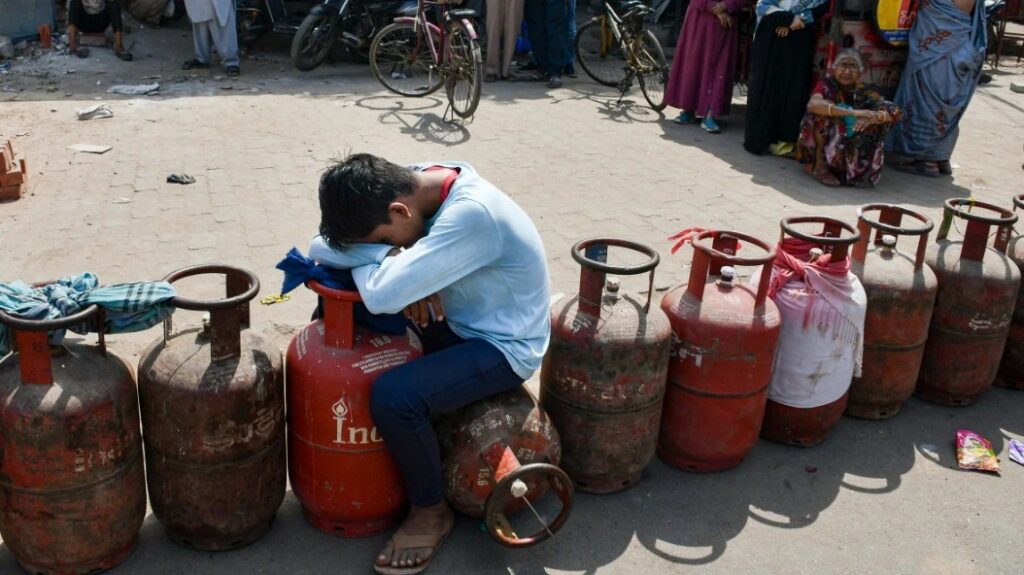
Facing rising concerns over LPG cylinder shortages, the Maharashtra Government has taken a major step to accelerate the expansion of piped natural gas (PNG) across the state. The move aims to reduce dependency on LPG cylinders and ensure uninterrupted fuel supply to households and businesses.
The decision comes at a time when many residents have reported delays in getting LPG cylinders despite bookings, with queues seen at distribution centres in several areas. Officials have linked the situation partly to global instability triggered by ongoing geopolitical tensions, which have impacted fuel supply and pricing.
To address the issue, the government has directed authorities to expand the City Gas Distribution (CGD) network on a “war footing.” All pending permissions for pipeline installation will now be treated as approved, while new applications must be cleared within 24 hours to avoid delays.

In a significant relaxation of norms, road restoration charges for laying gas pipelines have been waived, and companies have been allowed to carry out work round the clock. Additionally, requirements such as No Objection Certificates (NOCs) from the fire brigade and traffic police have been removed to speed up execution.
Importantly, PNG has now been classified as an essential service, placing it alongside critical utilities like water and electricity. This means supply will be prioritised and disruptions minimised, especially for key institutions.
The policy also includes provisions to support essential sectors. Hotels, hospitals, schools, hostels, and community kitchens will receive PNG at 50% of the commercial rate, ensuring that vital services continue without burdening operational costs. However, officials have clarified that domestic consumers will remain the top priority in supply allocation.
To oversee the implementation, the Civil Supplies Department has appointed a nodal officer to monitor progress and ensure coordination among agencies.
Authorities have maintained that there is no absolute fuel shortage, but acknowledged that panic booking and global developments have created pressure on supply chains. By rapidly expanding PNG infrastructure, the state aims to provide a long-term solution that is more reliable and efficient than cylinder-based distribution.
The move is expected to bring relief to consumers while also modernising the state’s energy distribution system, making it more resilient to future disruptions.