Expected U- Turn: Pakistan Drops Boycott Threat, India Match To Go Ahead In Colombo On February 15

Expected U- Turn: Pakistan Drops Boycott Threat, India Match To Go Ahead In Colombo On February 15
After ICC pressure and financial concerns, Pakistan clears national team to face India in T20 World Cup fixture
The much-publicised standoff over the India vs Pakistan clash in the ICC Men’s T20 World Cup 2026 came to an end after Pakistan confirmed a reversal of its earlier boycott stance, paving the way for the high-profile match to be played in Colombo on February 15.
The Pakistan Cricket Board (PCB), which had earlier indicated it may not take the field against India following government directives, received clearance on Monday after a series of discussions involving the International Cricket Council (ICC) and several member boards.
With the decision, one of the tournament’s biggest fixtures is now set to proceed as scheduled, bringing relief to organisers, broadcasters and host authorities concerned about the wider impact of a cancellation.

According to reports, Pakistan’s earlier position was linked to dissatisfaction over the ICC’s refusal to shift Bangladesh’s group matches out of India despite security concerns. Between January 25 and 30, PCB chairman Mohsin Naqvi hinted at “drastic steps” in solidarity with Bangladesh.
On February 1, the Pakistan government announced that while the team would travel for the World Cup, it would not play against India. The ICC responded by warning of potential points forfeiture and financial penalties, but the directive initially remained unchanged.
The situation escalated further when Pakistan sought to invoke the Force Majeure clause, citing government instructions as a reason for withdrawal. The ICC, however, rejected the plea, asking for proof that all mitigation options had been exhausted.
Behind the scenes, multiple boards reportedly raised concerns over the commercial fallout. Sri Lanka Cricket, with Colombo hosting the match, warned of serious economic consequences if the fixture was cancelled. Other boards also highlighted the potential disruption to ICC revenue-sharing arrangements that support Associate nations.
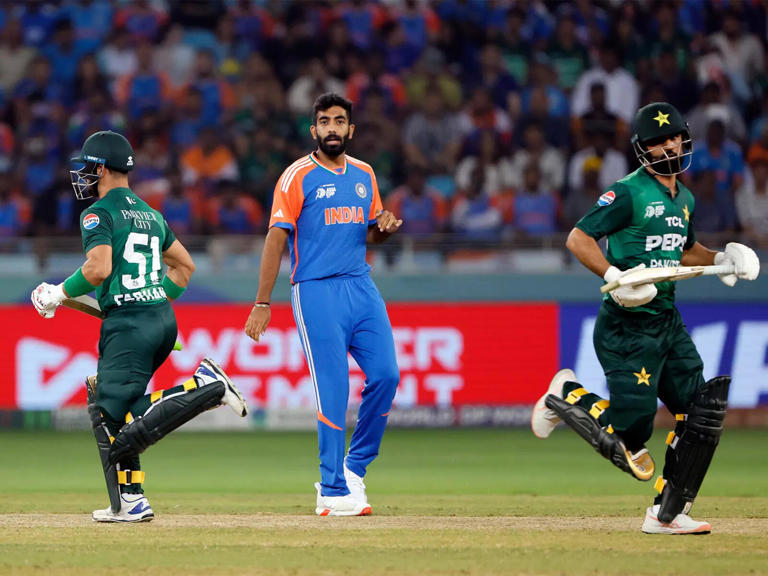
By February 9, Bangladesh Cricket Board officials urged Pakistan to play the match for the “sake of the cricket ecosystem,” adding to mounting pressure on Islamabad.
Later that evening, Prime Minister Shehbaz Sharif issued a directive allowing Pakistan’s team to take the field against India, completing what many described as an expected U-turn.
The development ends days of uncertainty and ensures that the marquee India-Pakistan encounter, one of the most anticipated matches of the tournament will go ahead as planned.