Good News: EV Prices May Fall Sharply in India; Read On
Good News: EV Prices May Fall Sharply in India; Read On
Company plans Rs.1,125 crore facility outside China’s dominance, aiming to supply 100 GWh worth of EV batteries over five years.
Electric vehicle prices in India could see a significant drop in the coming years as Himadri Speciality Chemicals moves to manufacture lithium iron phosphate (LFP) cathode material domestically, a key component that determines battery cost, safety, and performance.
The company has entered advanced discussions with global electric vehicle makers and battery manufacturers to supply LFP, signalling a major step in India’s efforts to strengthen its EV supply chain and reduce dependence on imports.
Himadri plans to set up a large-scale LFP cathode active material manufacturing facility in Odisha with an investment of around ₹1,125 crore. The proposed plant will have a production capacity of 2 lakh metric tonnes per annum and is expected to cater to both domestic and international markets.

Industry observers note that this could be a game-changer because the facility is being positioned as one of the first major LFP cathode projects outside China, which currently dominates the global supply of such battery materials.
According to the company’s roadmap, the LFP foray will support battery production equivalent to 100 gigawatt-hours (GWh) in a phased manner over the next five years. The first phase of operations is expected to be commissioned by the third quarter of FY27.
LFP batteries are increasingly being adopted worldwide because they are cheaper and more durable compared to older lithium-ion chemistries. They are also considered safer due to their better thermal stability and lower risk of fire.
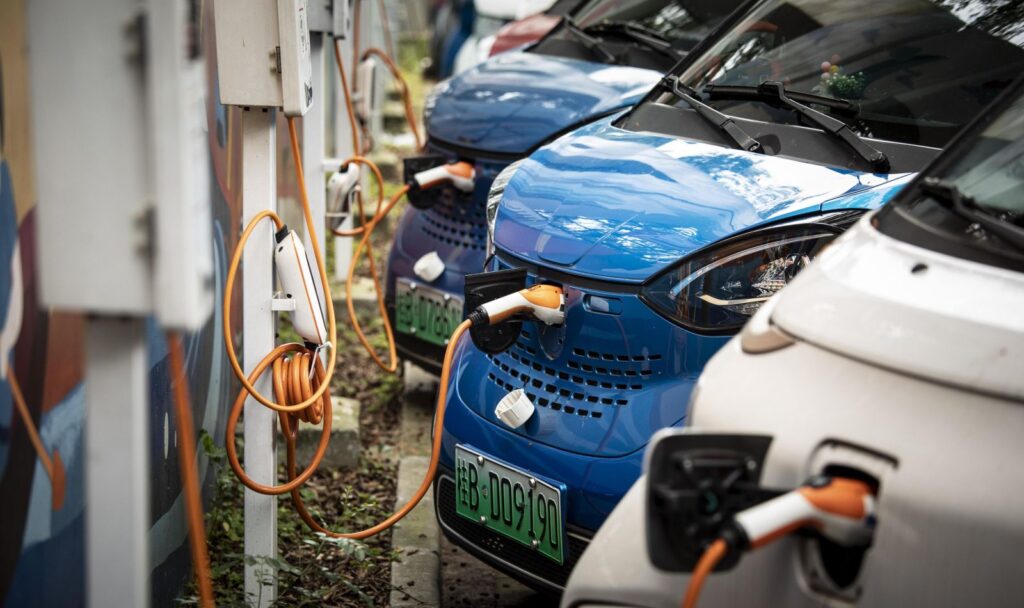
Experts say wider adoption of LFP technology can substantially reduce battery costs, which make up a major share of an EV’s overall price potentially making electric cars more affordable for Indian consumers.
Beyond cost, LFP batteries offer longer lifespan, often lasting close to a decade under typical usage. Another advantage is that they do not rely on expensive and environmentally challenging metals like cobalt or nickel, making them a more sustainable option.
Himadri is already known as India’s largest manufacturer of coal tar derivatives and speciality carbon blacks, and the company’s entry into advanced battery materials marks an expansion into high-growth clean mobility sectors.
With India pushing aggressive EV adoption targets and global manufacturers looking to diversify supply chains, the Odisha project could help position the country as a serious player in the battery materials ecosystem.
If executed as planned, the move could not only lower EV prices but also boost domestic manufacturing, attract global partnerships, and strengthen India’s transition toward cleaner transportation.
Disclaimer: This article is for general information only and does not constitute financial or investment advice.