NASA-Approved Air-Purifying Plants: Top 7 Choices for Indian Homes
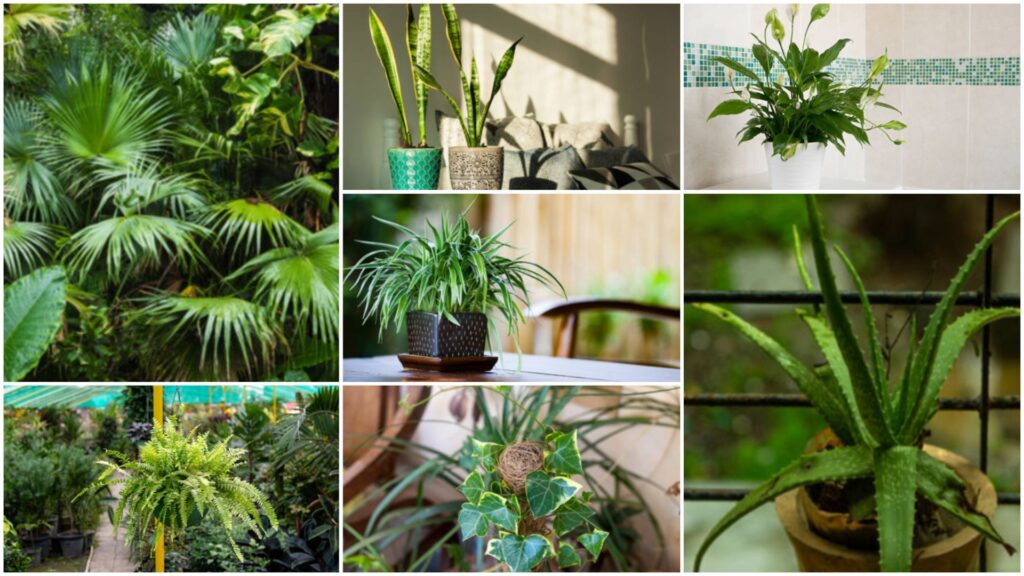
NASA-Approved Air-Purifying Plants: Top 7 Choices for Indian Homes
NASA might be best known for launching rockets and exploring Mars, but one of its most fascinating discoveries has nothing to do with outer space views. In a controlled study designed to improve air quality inside spacecraft, scientists discovered that several common houseplants can naturally filter harmful indoor pollutants.
Modern homes are often tightly sealed. While that improves energy efficiency, it also traps airborne toxins released from furniture, carpets, paints, cleaning products, and even office equipment. Add limited ventilation, and indoor air can quietly become more polluted than we realize.
That’s where greenery becomes more than decoration. According to NASA’s Clean Air Study, certain plants can absorb toxins like formaldehyde, benzene, xylene, toluene, ammonia, and even airborne mold particles. Even better, soil microbes help break these pollutants down.

If you’re looking to create a fresher, healthier living space, these seven NASA-recommended plants offer both beauty and function.
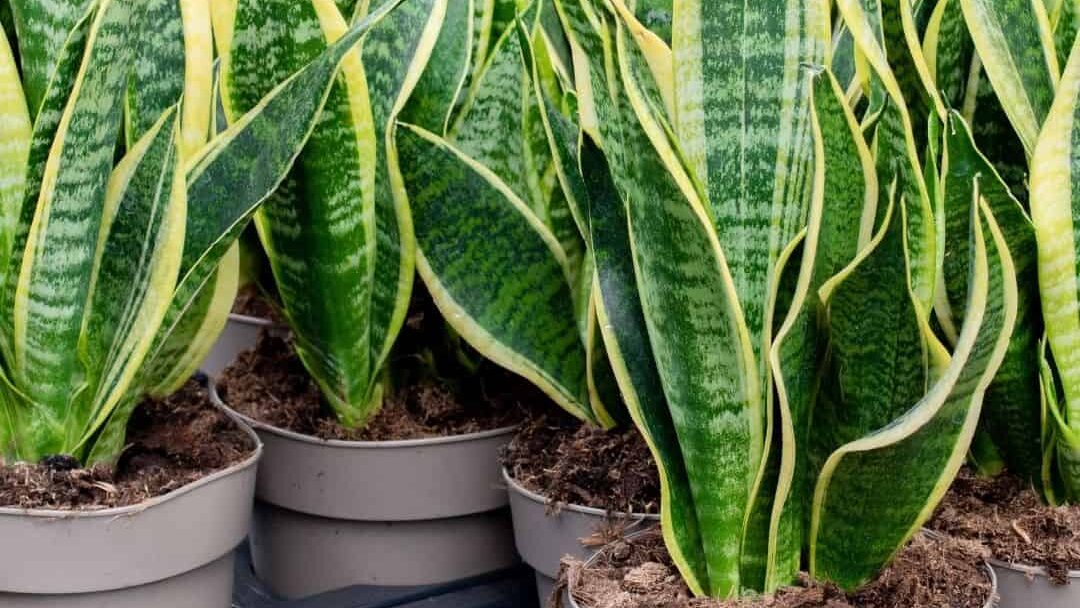
1. Snake Plant (Sansevieria trifasciata / Mother-in-Law’s Tongue)
Removes: Formaldehyde, benzene, xylene, nitrogen oxides
NASA researchers identified it as especially effective at filtering formaldehyde and benzene — toxins commonly found in household cleaners, synthetic fabrics, and paints. It thrives in low to bright indirect light and requires minimal watering, making it perfect for beginners or busy homeowners.

2. Areca Palm (Dypsis lutescens / Butterfly Palm)
Removes: Formaldehyde, xylene, toluene
This palm was highlighted in NASA’s findings for its ability to filter common toxins released from varnishes, paints, and furniture. It also works as a natural humidifier, which makes it especially beneficial in air-conditioned or dry environments. Place it in bright, indirect sunlight and keep the soil lightly moist for best results.
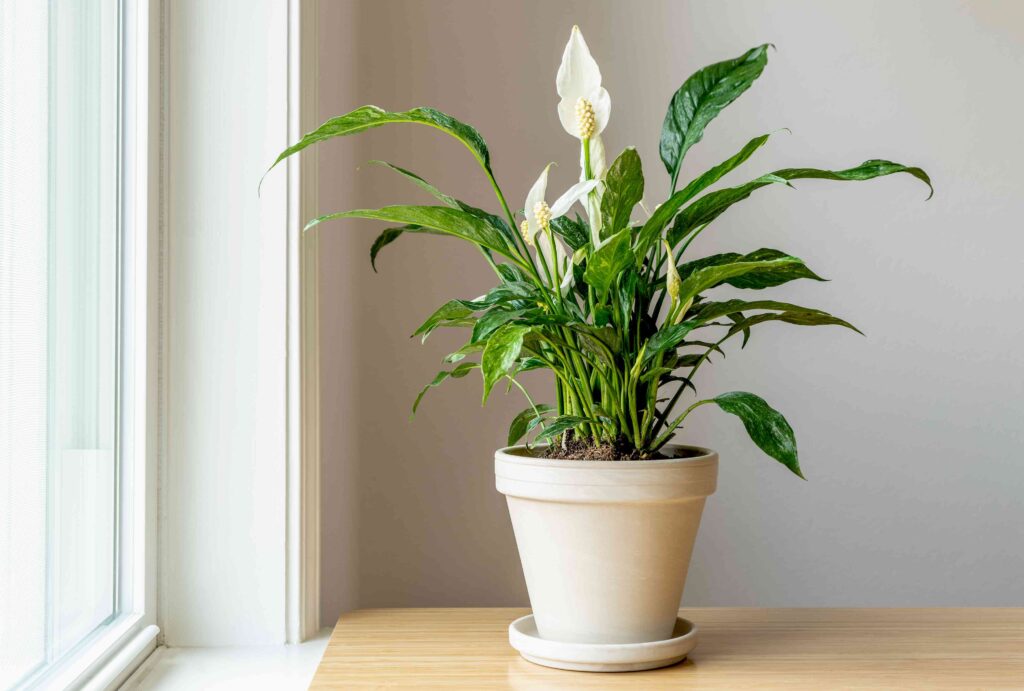
3. Peace Lily (Spathiphyllum)
Removes: Formaldehyde, benzene, trichloroethylene, ammonia
According to NASA’s research, it’s one of the most powerful toxin-removing houseplants. It can also increase indoor humidity, which may help ease dry skin and minor respiratory irritation. It prefers indirect light and weekly watering.
Important: Peace Lilies are toxic to cats and dogs, so keep them out of reach if you have pets.

4. Spider Plant (Chlorophytum comosum)
Removes: Formaldehyde, xylene, toluene
The Spider Plant is extremely forgiving and adaptable to various light conditions. NASA found it particularly efficient at removing formaldehyde, a common indoor pollutant emitted from adhesives, carpets, and furniture.
Its long arching leaves and dangling baby plantlets make it ideal for hanging baskets or high shelves.
Bonus: It’s non-toxic to cats and dogs.
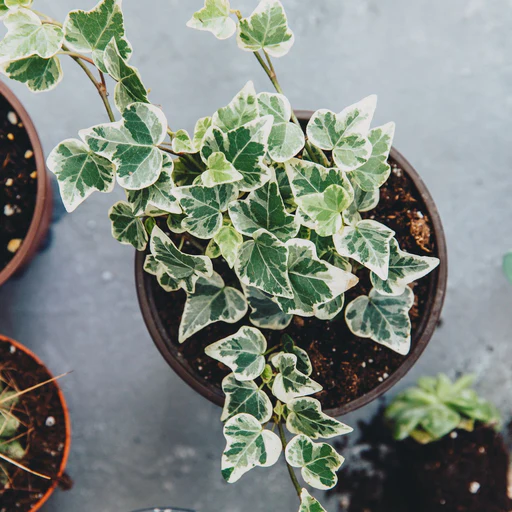
5. English Ivy (Hedera helix)
Removes: Benzene, formaldehyde, xylene, airborne mold
NASA’s study showed it can help reduce airborne mold and even microscopic fecal particles — potentially helpful for people with allergies or respiratory sensitivities.
It grows best in indirect light with slightly moist soil and thrives in bathrooms or kitchens where humidity is higher.

6. Boston Fern (Nephrolepis exaltata)
Removes: Formaldehyde, xylene, toluene
NASA ranked it among the most effective plants for removing formaldehyde from indoor air. It enjoys humidity and consistent moisture, making it perfect for bathrooms and kitchens.
Regular misting and evenly moist soil will keep it vibrant year-round.
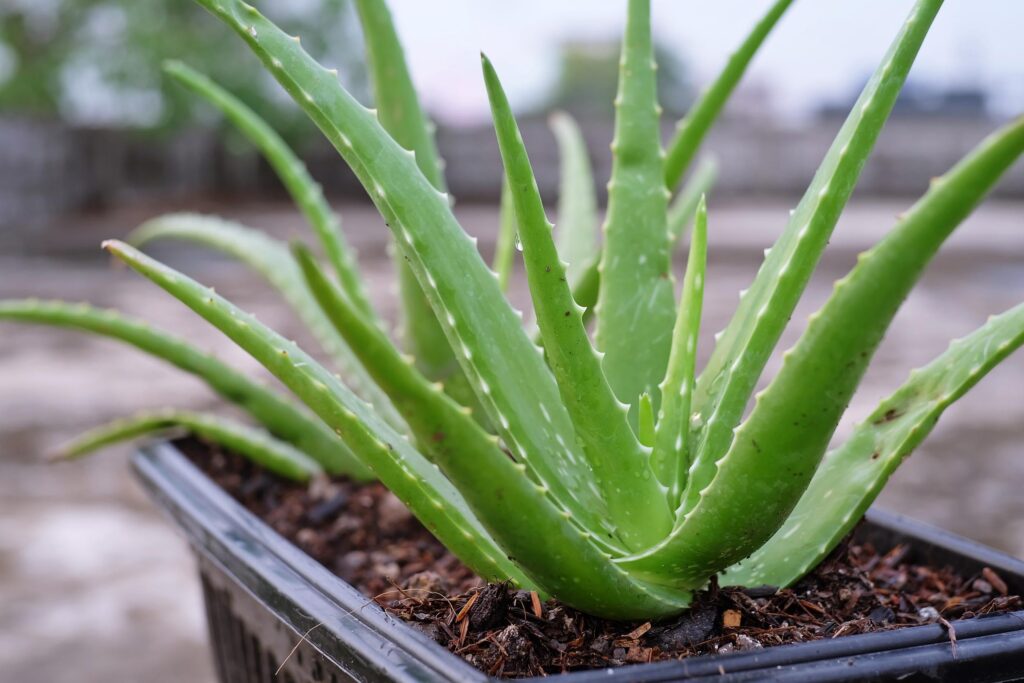
7. Aloe Vera (Aloe barbadensis)
Removes: Formaldehyde, benzene
This sun-loving succulent absorbs toxins commonly emitted by cleaning agents and paints. It’s ideal for bright kitchen windowsills or sunny corners.
And when needed, you can break open a leaf to use the soothing gel inside for minor burns, cuts, or skin irritation — making it both decorative and practical.
What NASA’s Clean Air Study Revealed
NASA’s research focused on improving air quality in sealed environments like space stations. Scientists discovered that certain plants can absorb harmful chemicals through their leaves and roots, while microorganisms in the soil help neutralize toxins.
One key takeaway from the study:
Roughly one large plant per 100 square feet of indoor space can contribute to better air quality. While houseplants alone won’t replace proper ventilation systems, they create a natural, low-tech filtration layer that enhances both your environment and your well-being.
Bringing Cleaner Air Into Your Home
Adding greenery to your living space does more than elevate your décor. These NASA-supported plants offer a simple way to reduce common indoor pollutants while introducing calm, color, and life into your surroundings.
Disclaimer: This article is based on findings from NASA’s Clean Air Study and general horticultural research. The information provided is for educational and informational purposes only. Houseplants can contribute to improved indoor environments, but they are not a substitute for proper ventilation systems, professional air quality assessments, or medical advice.