Pending Toll Dues to Block NOC, Fitness and Permits for Vehicle Owners: Centre Tightens Highway Rules
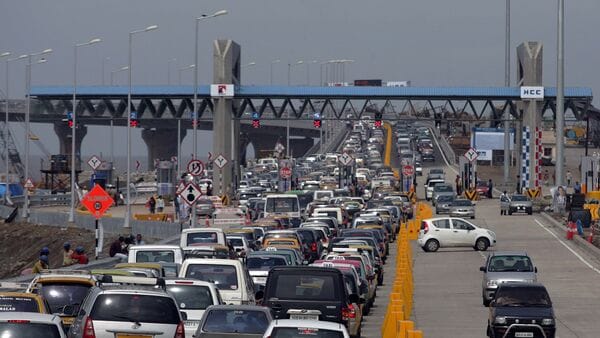
Pending Toll Dues to Block NOC, Fitness and Permits for Vehicle Owners: Centre Tightens Highway Rules
New regulatory changes are set to make toll compliance unavoidable for vehicle owners using National Highways. The Central government has introduced stricter conditions that connect the payment of toll charges directly with access to essential vehicle-related services, signalling a tougher stance against toll evasion and unpaid user fees.
The Ministry of Road Transport and Highways (MoRTH) has notified the Central Motor Vehicles (Second Amendment) Rules, 2026, amending the Central Motor Vehicles Rules, 1989. The amendments are aimed at strengthening electronic toll collection, improving enforcement and preparing the ground for advanced barrier-less tolling systems across the highway network.
Clear definition of unpaid toll dues

A key feature of the new rules is the introduction of a formal definition of “unpaid user fee.” This applies when a vehicle’s movement on a National Highway stretch is recorded by the Electronic Toll Collection (ETC) system, but the corresponding toll amount is not received as required under the National Highways Act, 1956.
This definition allows authorities to clearly identify toll defaults and link them with administrative actions related to the vehicle.
Essential services linked to toll clearance
Under the amended provisions, a No Objection Certificate (NOC)—required for transferring vehicle ownership or shifting a vehicle from one state to another—will not be issued unless all pending toll dues are cleared.
In addition, vehicles with unpaid toll charges will not be eligible for the renewal or issuance of a Certificate of Fitness, which is mandatory for vehicles to remain legally operational.
For commercial vehicles, the rules make it compulsory for applicants seeking a National Permit to ensure that no unpaid toll fees are pending against the vehicle.
The Ministry stated that these measures are intended to ensure that vehicles comply with toll payment obligations before availing themselves of key regulatory services.
Updates to Form 28 and digital processing
To support implementation, the government has modified Form 28, a crucial document required when applying for an NOC. Vehicle owners will now be required to declare whether any unpaid toll demand exists against their vehicle and provide relevant details.
Parts of Form 28 can also be issued electronically through the designated online portal, reflecting the government’s focus on digitisation and faster service delivery. Form 28 certifies that a vehicle has no pending dues or legal restrictions when being transferred across states or districts.
Preparing for MLFF tolling
MoRTH also noted that the amendments will support the future rollout of the Multi-Lane Free Flow (MLFF) tolling system. MLFF is designed to enable barrier-less toll collection on National Highways, reducing congestion at toll plazas, improving travel efficiency and strengthening technology-based enforcement.
From consultation to notification
The draft version of these rules was released in July 2025, and the final notification takes into account feedback received during the consultation process. Officials said the amendments are expected to improve toll collection efficiency while ensuring smoother coordination between toll compliance and vehicle-related services.