Women’s Day 2026: Why March 8 Is Celebrated Worldwide and What This Year’s Theme Means
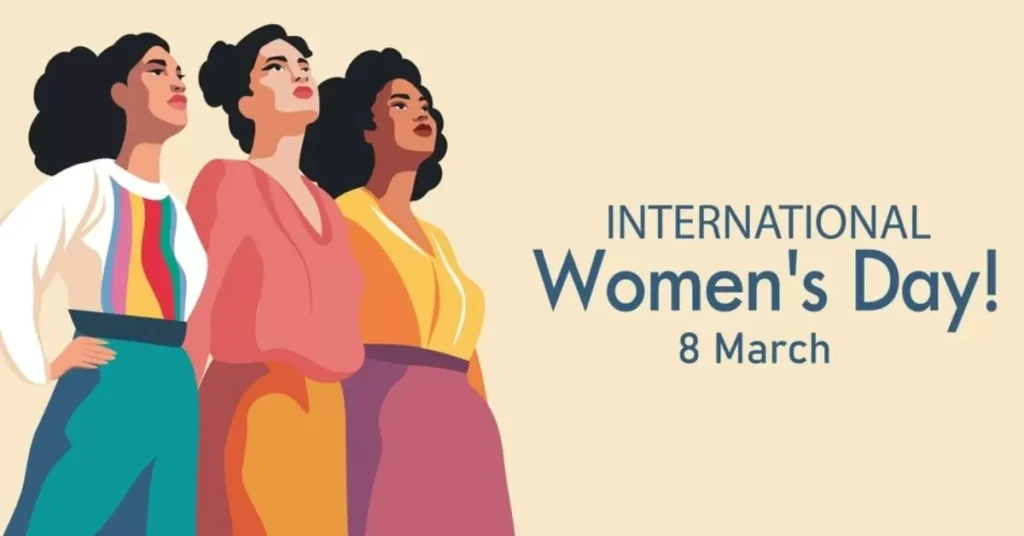
Women’s Day 2026: Why March 8 Is Celebrated Worldwide and What This Year’s Theme Means
Every year on March 8, people across the world celebrate International Women’s Day, a day dedicated to recognizing the achievements, struggles, and contributions of women in every area of life. The occasion goes far beyond celebrations—it highlights the importance of gender equality, respect, and empowerment.
International Women’s Day reminds us that societies become stronger and more progressive when women receive equal opportunities to learn, work, lead, and succeed. In 2026, the day will be observed on Sunday, March 8, bringing together communities, organizations, and individuals worldwide to honor the impact women have on families, workplaces, and nations.
Honoring Women’s Contributions

International Women’s Day is not only about appreciation but also about reflecting on the long journey women have taken toward equality. The day acknowledges the challenges women have faced throughout history while celebrating their achievements in fields such as education, politics, science, business, sports, and the arts.
Today, women are making significant contributions in every sector. From leading countries and companies to driving scientific innovation and cultural change, their influence continues to shape modern society. This day serves as an opportunity to celebrate those achievements while encouraging further progress toward equal rights and opportunities.
Roots of the Movement
The origins of International Women’s Day can be traced back to the early 20th century, a period when women in many parts of the world were fighting for basic rights and fair treatment in the workplace. During this time, women demanded better wages, shorter working hours, and safer working conditions.
These struggles formed the foundation of a broader global movement that aimed to secure recognition, dignity, and equality for women.
Early Protests That Sparked Change
A significant moment in this movement occurred in 1908, when thousands of women workers marched through the streets of New York City. They protested against unfair labor practices and demanded better pay, safer workplaces, and reduced working hours.
These demonstrations brought international attention to the challenges faced by working women and helped inspire similar movements in other parts of the world.
The Copenhagen Proposal
The idea of creating a special day dedicated to women gained momentum in 1910 during an international conference held in Copenhagen. At the conference, German social activist Clara Zetkin proposed establishing an International Women’s Day that would be celebrated every year to promote women’s rights and equality. Delegates from several countries supported the proposal, and the idea quickly gained global recognition.
The First Celebrations
The first official celebrations of Women’s Day were held in 1911 across several European countries, including Germany, Austria, Denmark, and Switzerland. Large numbers of people participated in rallies and public gatherings advocating for women’s rights. Many of these events focused on demands such as the right to vote, access to employment, and equal treatment in society. These early celebrations played an important role in building momentum for the global women’s rights movement.
Why March 8 Became the Official Date
The significance of March 8 is closely linked to events that took place in Russia in 1917. During World War I, women workers organized a large strike demanding “bread and peace.”
The protest soon turned into a powerful political movement that led to major changes in the country. Shortly afterward, Tsar Nicholas II abdicated the throne, and women were granted the right to vote in Russia. These historic developments helped establish March 8 as the recognized date for International Women’s Day.
Recognition by the United Nations
Although the movement had been observed in many countries for decades, it gained official global recognition in 1975, when the United Nations formally recognized March 8 as International Women’s Day. Since then, the day has been celebrated worldwide as a symbol of women’s rights, equality, and empowerment. Today, more than 100 countries observe the occasion, and in several nations it is also recognized as a public holiday.
More Than Just a Celebration
International Women’s Day is not only about honoring achievements—it is also a time to raise awareness about issues that still affect women around the world. Discussions often focus on equal access to education and employment, workplace safety, healthcare, and protection from discrimination or violence.
By highlighting these important issues, the day encourages individuals, organizations, and governments to work toward building a more inclusive and fair society.
Women Leading Change in Every Field
Across the world, women are shaping change in nearly every field. Whether in politics, science, business, sports, or the arts, they are breaking barriers and setting new standards of achievement. International Women’s Day highlights the fact that meaningful social and economic progress is only possible when women are empowered and actively involved in shaping society.
Theme for International Women’s Day 2026: “Give to Gain”
Each year, International Women’s Day highlights a theme designed to inspire action and reflection. The 2026 theme, “Give to Gain,” emphasizes the importance of offering support, opportunities, and encouragement to others.
The idea behind the theme is simple yet meaningful: when individuals or communities give support, mentorship, resources, or opportunities—especially to women—it creates positive change that benefits everyone. Empowering others ultimately strengthens societies, workplaces, and communities.
Promoting Gender Equality Worldwide
The theme also encourages people across the globe to take steps toward promoting gender equality and empowering women. On March 8, organizations, educational institutions, and communities organize discussions, awareness campaigns, cultural programs, and social initiatives. These events aim to inspire people to support equal rights and create environments where women can reach their full potential.