Pitru Paksha 2025: Date, Rituals, Significance and the Rules You Must Follow to Honour Your Ancestors and Seek Their Blessings
Pitru Paksha 2025: Date, Rituals, Significance and the Rules You Must Follow to Honour Your Ancestors and Seek Their Blessings
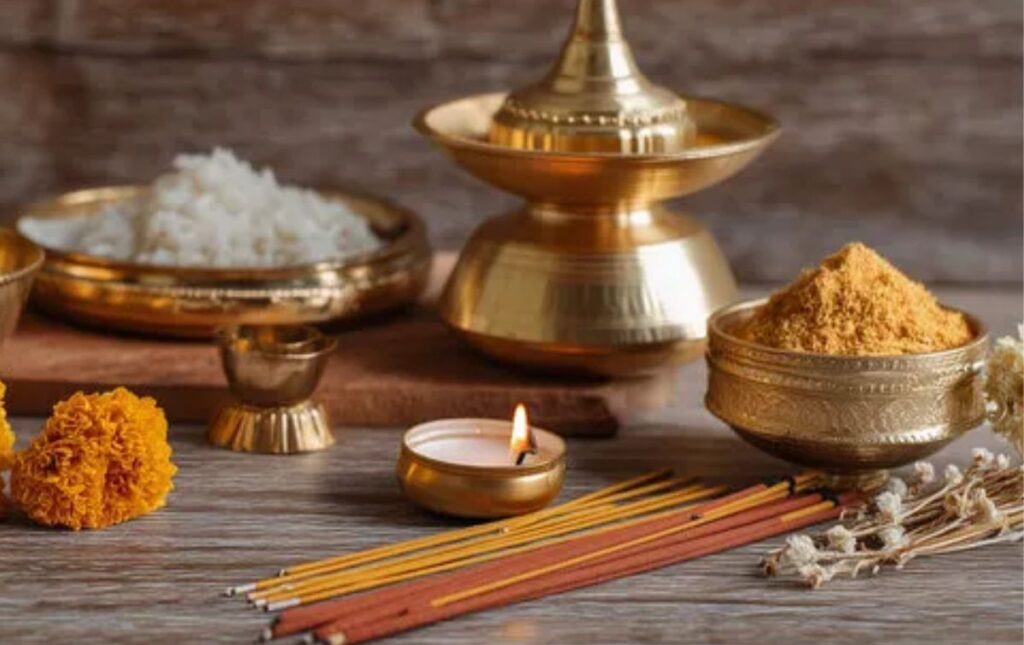
Pitru Paksha, one of the most important periods in the Hindu calendar, is a time dedicated to remembering and honoring ancestors. Every year, families across India observe this 16-day phase through rituals like Shradh and Tarpan, offering food, water, and prayers to their forefathers.
In 2025, Pitru Paksha will begin on September 7 and conclude on September 21, ending with Sarvapitri Amavasya or Mahalaya Amavasya.
Dates and Timing

Pitru Paksha falls in the Krishna Paksha of the Bhadrapada month in southern and western India, right after Ganesh Utsav. In the north, it also holds equal importance as families gather along riverbanks and temples to offer prayers. This period is closely linked with Dakshinayan, the time when the Sun begins its movement towards the southern sky, coinciding with the autumn equinox.
Why Pitru Paksha Matters
The fortnight is believed to be a sacred window when the souls of ancestors descend to Earth to accept offerings from their descendants. By performing Shradh during these days, families aim to reduce what is called Pitru Rin, or ancestral debt. In return, it is believed that the blessings of forefathers bring peace, prosperity, and happiness to the family. While the period is regarded as spiritually powerful, it is also seen as inauspicious for new beginnings like marriages or housewarmings, since the focus is entirely on death rites and remembrance.
Rituals and Practices
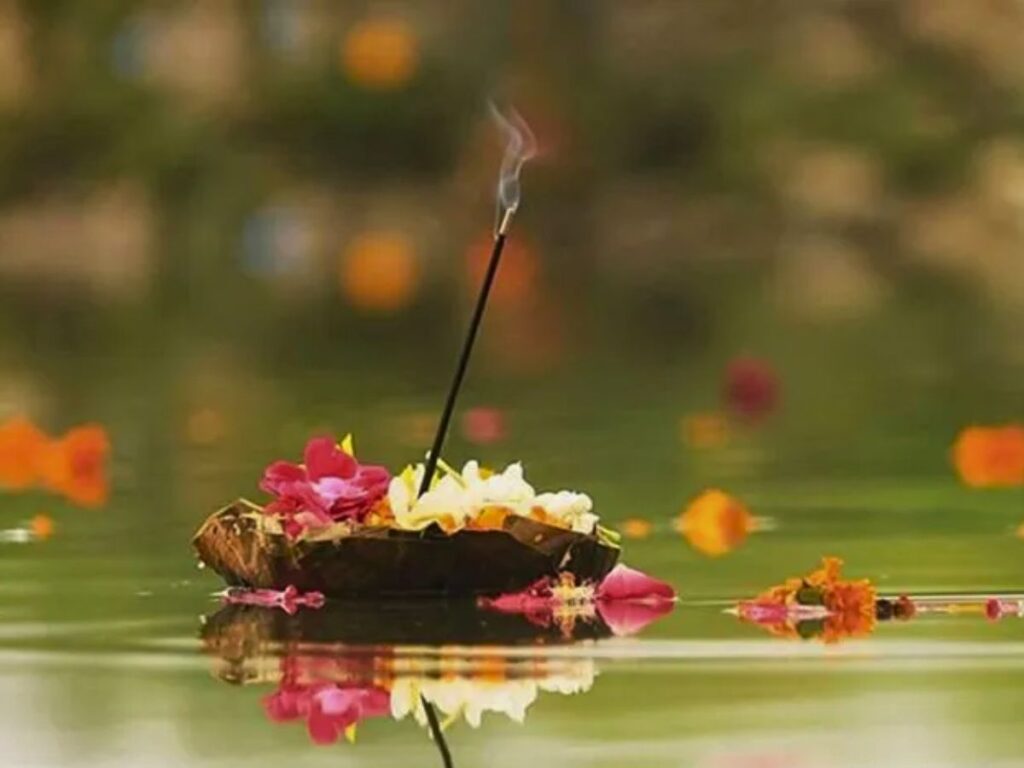
The rituals of Pitru Paksha differ across regions, but some practices remain common everywhere. Shradh is usually carried out by the eldest son in the family, beginning with a purification bath. Simple vegetarian meals such as rice, dal, and vegetables are prepared and offered to Brahmins. Alongside this, water mixed with sesame seeds is poured while chanting prayers for the ancestors. Donating clothes, food, or money is considered auspicious, and feeding cows, dogs, and especially crows is an important part of the rituals.
Regional Observances
Certain places in India are considered especially sacred during Pitru Paksha. Gaya in Bihar is one of the most famous destinations where thousands gather to perform Shradh at the ghats of the Ganga. It is believed that offering Tarpan here grants higher spiritual merit. In southern and western India, the rituals take place in the second half of the Bhadrapada month, while in northern states, families are often seen near riverbanks or temples dedicated to ancestors.
Rules to Follow During Pitru Paksha
One of the most important traditions is feeding Brahmins in the name of ancestors. Families prepare traditional meals like puri, sabzi, and kheer, and donations are also made. It is believed that this offering helps satisfy the departed souls and ensures their blessings. Another significant rule is to never send anyone away empty-handed during these days. Ancestors are said to visit homes in different forms, and showing kindness to guests is seen as a way of honoring them.
Animals, too, play a vital role in Pitru Paksha rituals. Crows are considered messengers of the ancestors, and feeding them is believed to bring peace to departed souls. Cows and dogs are also fed, as they hold a sacred place in Hindu tradition. These acts of service are said to remove troubles from the family and invite blessings.
Spiritual Practices
Devotees are also encouraged to chant the Pitru Gayatri Mantra 108 times during Pitru Paksha. The mantra is believed to destroy sins, give peace to ancestors, and attract divine blessings. Bathing in holy rivers like the Ganga or Yamuna is considered highly purifying during this period. For those unable to travel, adding a few drops of water from sacred rivers into their bathwater is seen as equally effective.
A Time of Gratitude
Beyond the rituals, Pitru Paksha is a reminder of the bond between generations. It gives families an opportunity to pause, reflect, and express gratitude to those who came before them. By honoring ancestors with faith and devotion, people not only seek spiritual merit but also strengthen the values of respect and remembrance in the family.