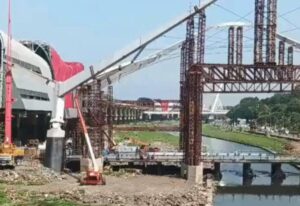
Pune: HCMTR Declared ‘Abandoned’ By PMC; Activists Seek Formal Deletion From Development Plan
Pune: HCMTR Declared ‘Abandoned’ By PMC; Activists Seek Formal Deletion From Development Plan
Pune, October 30, 2025: The Supreme Court of India has reinforced the importance of environmental protection in the Balbharati–Paud Phata (BBPP) Road project, ruling that a new Environmental Impact Assessment (EIA) and fresh Environmental Clearance (EC) must be obtained before work resumes.
The order came while hearing an appeal challenging the Bombay High Court’s February 2025 verdict in the case filed by activists Sushma Date and Sumita Kale against the Pune Municipal Corporation (PMC).
PMC Admits HCMTR Project is Shelved
During the Supreme Court proceedings on October 29, PMC’s legal representatives — Solicitor General Tushar Mehta and advocate Abhijit Kulkarni — informed the bench that the long-debated High-Capacity Mass Transit Route (HCMTR) project had been abandoned.

However, this revelation surprised many citizens and environmentalists, who pointed out that the project still appears in Pune’s official Development Plan (DP). Activists demanded that PMC formally delete HCMTR from the plan under the Maharashtra Regional and Town Planning (MRTP) Act to avoid misleading representations.
Citizens Seek Transparency
“The Supreme Court took the time to understand the significance of the issue and has upheld the ecological importance of Vetal Tekdi,” said Dr. Sumita Kale, one of the petitioners. “Since PMC admitted in court that HCMTR stands abandoned, it must now be removed from the DP. This is a step forward for Pune’s natural heritage.”
Dr. Kale further emphasized that the ruling reaffirmed the civic body’s constitutional duty under Articles 48(A) and 21 to safeguard Pune’s green zones and groundwater systems.
Environmental Concerns and Legal Background
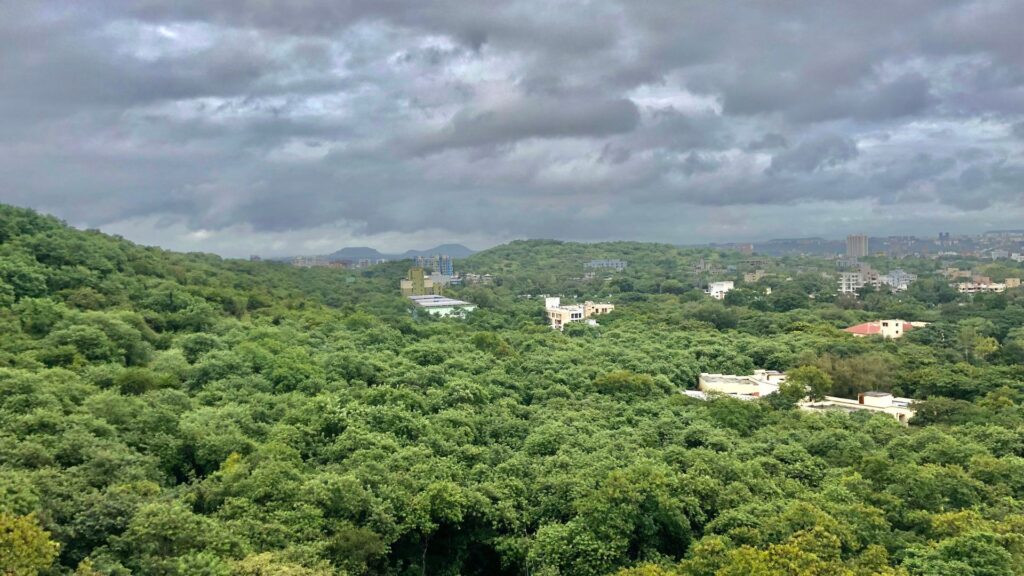
The case stemmed from public opposition to projects threatening the Vetal Tekdi ecosystem — a crucial green lung that supports biodiversity and groundwater recharge in Pune. PMC had initially argued that environmental clearance was unnecessary for the BBPP Road, but the apex court rejected this claim, mandating a full, four-season EIA before any construction.
Dr. Sushma Date, the co-petitioner, highlighted that HCMTR — originally proposed in the 1987 Development Plan as a 35 km inner ring road — overlaps two kilometres of the proposed BBPP Road through the Law College Hill, a sensitive ecological zone. “If PMC has indeed scrapped the ₹5,000 crore project, it must officially begin the process of removing it from city planning documents,” she said.
A Win for Urban Ecology
Environmentalists have hailed the judgment as a milestone for urban accountability and sustainable planning. They have urged the PMC to clarify the current status of both HCMTR and BBPP projects and ensure transparency in all official records and public communications.
The decision is being seen as a significant victory for Pune’s citizens, reaffirming the city’s commitment to preserving its green cover and protecting vital water resources.